
Tree Removal Cost: What to Expect in Statesboro, GA
Smart Planning for Fair Pricing and Quality Work
Understanding What Drives Tree Removal Pricing
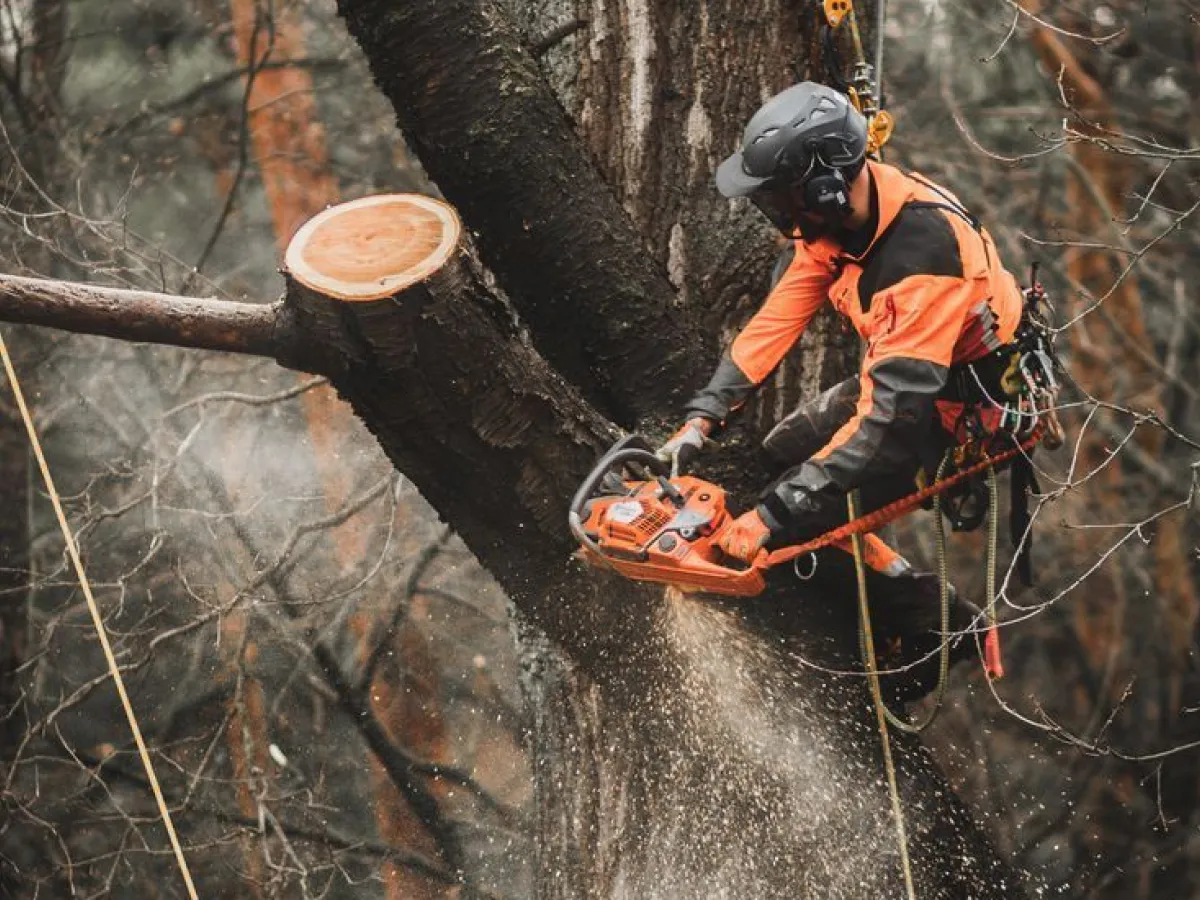
Tree removal pricing depends on multiple measurable factors that directly affect the labor, equipment, and time required to complete the job safely. The single most influential factor is tree size. A small ornamental tree standing 15 feet tall might cost $200 to $400 to remove, while a mature pine or oak exceeding 60 feet can range from $1,200 to $2,500 or more. Height determines how much rigging, climbing, and precision cutting is necessary.
Location and accessibility also play a major role. A tree standing in an open backyard with clear access for equipment will cost significantly less than one wedged between a house and a fence line, requiring careful piece-by-piece dismantling. In Statesboro and the surrounding Bulloch County area, many properties feature older homes with mature hardwoods close to structures, which increases complexity and cost. If bucket truck access is limited, climbers must use ropes and harnesses, adding labor hours.
Tree species and condition matter as well. Hardwoods like oak and hickory are denser and take longer to cut and process than softer pines. A diseased or dying tree may be brittle and unpredictable, requiring extra caution. Storm-damaged trees, especially those leaning or partially uprooted, introduce additional hazards that demand specialized rigging techniques. These variables mean that no two jobs are priced identically, even if the trees appear similar at first glance.
Residential Property Removal vs. Commercial Land Clearing
Residential jobs typically involve removing one or a few trees from established yards where homeowners are concerned about safety, aesthetics, or storm damage. These projects prioritize precision and property protection. Crews must work around flowerbeds, driveways, utility lines, and neighbors’ property lines. In neighborhoods around Statesboro and Metter, residential calls often involve removing Bradford pears that have split during summer storms or pines that have grown too close to rooflines. Pricing for a standard residential removal usually falls between $400 and $1,800, depending on size and complexity.
Commercial land clearing operates at a different scale. Developers, property managers, and agricultural clients often need multiple trees removed to prepare sites for construction, expansion, or crop planting. These jobs require grapple trucks, dump trailers, and coordinated debris removal. The per-tree cost may be lower due to volume, but the total project expense is higher. For example, clearing a half-acre lot in preparation for a new warehouse near Swainsboro might involve removing 15 to 20 mixed hardwoods and pines, with costs ranging from $3,000 to $8,000 depending on tree density and disposal requirements.
Emergency removal introduces another pricing tier. When a tree falls across a driveway after a storm or threatens a structure, immediate response is necessary. Emergency calls often occur outside regular business hours and require rapid mobilization of equipment and crew. Expect to pay a premium for this urgency, typically 1.5 to 2 times the standard rate. However, the cost of leaving a hazardous tree in place can far exceed the removal expense when property damage or injury is at risk.
Additional Services That Affect Your Total Investment
Tree removal itself is only part of the equation. Stump grinding is a separate service that most property owners request after the tree is down. Leaving a stump in place creates tripping hazards, attracts pests, and interferes with lawn maintenance. Stump grinding typically costs $75 to $150 per stump for diameters up to 24 inches, with larger stumps priced accordingly. The process involves grinding the stump 6 to 12 inches below ground level, leaving wood chips that can be used as mulch or removed.
Debris removal and cleanup also influence your total cost. Some property owners prefer to keep firewood or wood chips for personal use, which can reduce disposal fees. Others want the site left completely clear, requiring haul-away services. In the Statesboro area, where many properties have ample outdoor space, keeping firewood is common, especially during fall and winter when homeowners heat with wood stoves. Debris removal typically adds $100 to $400 to the project, depending on volume and distance to the disposal site.
Permit requirements vary by municipality and tree location. While most residential removals on private property in Bulloch County do not require permits, removing trees near rights-of-way, in historic districts, or on commercial properties may involve local regulations. Checking with your municipality before scheduling removal prevents delays and potential fines. Your tree service provider should be familiar with local requirements and can often advise whether a permit is necessary for your specific situation.
Seasonal demand affects availability and sometimes pricing. Spring and early summer are peak seasons for tree work in Georgia, as property owners prepare for hurricane season and address winter storm damage. Scheduling removal during late fall or winter may offer more flexibility and potentially lower rates, though emergency calls remain consistent year-round.
How to Secure Fair Pricing and Avoid Costly Mistakes
Getting multiple estimates is standard practice, but not all quotes are created equal. When comparing bids, verify that each includes the same scope of work. One estimate might include stump grinding and debris removal, while another covers only felling and cutting. Ask for itemized pricing so you understand exactly what you are paying for. Written estimates should specify tree location, approximate size, services included, and timeline.
Verify insurance and credentials before hiring. Professional tree removal involves significant risk, and uninsured operators put your property and liability at risk. Ask for proof of general liability insurance and workers’ compensation coverage. In Georgia, legitimate tree service providers carry insurance that protects both their crew and your property in the event of an accident. A company that hesitates to provide proof of insurance should not be considered, regardless of how attractive the price appears.
Understand what is not included in the base quote. Some services charge extra for work performed on weekends, for expedited scheduling, or for disposal of particularly large volumes of wood. If your property has difficult access requiring hand-carrying equipment or wood through a narrow gate, expect additional labor charges. Clarifying these details upfront prevents disputes and surprise costs after the work is complete.
Be cautious of prices that seem unusually low. Tree removal requires skilled labor, expensive equipment, and proper insurance. A bid significantly below others may indicate inexperience, lack of insurance, or plans to cut corners on safety. The cheapest option often becomes the most expensive when poor work results in property damage, incomplete cleanup, or injury. Investing in a qualified, insured provider delivers better long-term value than gambling on an underbid.
Taking the Next Step Toward Safe, Professional Removal
Once you understand the factors that influence pricing, the next step is scheduling an on-site evaluation. No accurate quote can be provided over the phone or from photos alone. A professional assessment allows the crew to measure the tree, evaluate access, identify hazards, and provide a detailed written estimate. During this visit, ask questions about the timeline, equipment that will be used, and how the site will be left after completion.
Timing your removal strategically can improve both safety and cost-effectiveness. If a tree is not an immediate hazard, scheduling during the off-season may offer more flexibility. However, delaying removal of a dying or structurally compromised tree increases the risk of uncontrolled failure during a storm. Balancing cost considerations with safety priorities ensures you make the right decision for your property and budget.
Property owners throughout Statesboro, Bulloch County, and the surrounding areas face similar decisions when mature trees become liabilities. Whether you are dealing with storm damage, disease, construction needs, or preventive removal, working with a local provider who understands regional conditions delivers better outcomes. Familiarity with local soil types, common tree species, and seasonal weather patterns allows for more accurate planning and execution.
Professional tree removal is an investment in safety and property value. When you choose a provider with the right equipment, insurance, and experience, you gain confidence that the job will be completed correctly the first time. Requesting a free estimate is the first step toward resolving your tree concerns with transparency and fairness. Clear communication, detailed pricing, and proven capability make all the difference when selecting a provider you can trust with your property.